
In today’s fast-paced world, the idea of living off the land, even on a small scale, has become more than just a trend. It’s a way of life that brings you closer to nature, reduces your carbon footprint, and helps you reconnect with the food you eat.
Micro-homesteading is all about turning a small space into a productive and sustainable mini-farm. It’s perfect for beginners who want to dive into self-sufficiency without needing acres of land.
If the idea of growing your own food, raising a few animals, and becoming less dependent on big-box stores sounds appealing, micro-homesteading might be the perfect fit for you.
Here’s how to start your own mini homestead with simple, manageable steps.
What is Micro-Homesteading?

At its core, micro-homesteading is all about making the most of a small space to grow your own food, raise a few animals, and reduce your reliance on store-bought goods.
It’s perfect for people who may not have acres of land but still want to embrace a more sustainable, self-sufficient lifestyle.
Think of it as a smaller, more accessible version of traditional homesteading. Micro-homesteading can fit into small urban lots, suburban backyards, or even a few containers on your apartment balcony.
It’s about making every square foot count and getting as much as possible from the space you have.
Step 1: Start with What You Have
Before you start investing in fancy tools or expensive gardening gear, take a look at the space you already have.
You’d be surprised at what you can grow or raise in a small area. Even if you only have a tiny balcony or a windowsill, that’s still space that can support some plants or even a few small animals.
Start small and begin by determining what’s most important to you such as fresh vegetables, herbs, a small flock of chickens or maybe a couple of goats for milk.
Also, think about your goals for micro-homesteading. Are you looking to grow your own food to eat, maybe raise some fresh eggs, or just live more sustainably by reducing waste and using more natural resources?
Step 2: Grow Your Own Food in Containers or Raised Beds
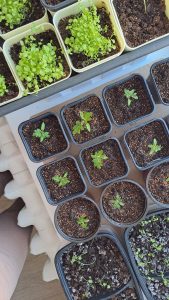
One of the easiest and most rewarding ways to start micro-homesteading is by growing your own food.
Container gardening is perfect for those with limited space, like apartment dwellers or those with small backyards.
You can grow everything from tomatoes and peppers to herbs, lettuce, and spinach in containers of all sizes. If you have a little more room, raised garden beds are an excellent option for maximizing space and improving soil quality.
Some great beginner-friendly crops to start with are:
- Herbs like basil, mint, thyme, and parsley (easy to grow in small pots).
- Leafy greens such as spinach, kale, and arugula.
- Root vegetables like carrots, radishes, and beets.
- Tomatoes and peppers, which do well in pots and grow vertically.
Step 3: Try Vertical Gardening for More Space
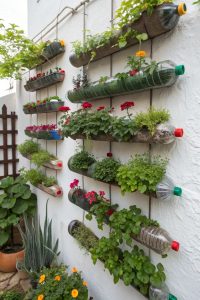
Vertical gardening is a game-changer for small spaces. By growing plants upward instead of outward, you can maximize every inch of available space. It’s perfect for micro-homesteading, especially if you’re working with a small backyard or balcony.
You can use trellises, shelves, or vertical planters to grow climbing plants like beans, peas, and cucumbers. Hanging baskets can hold strawberries or even tomatoes, and wall-mounted planters are great for leafy greens.
Not only does vertical gardening save space, but it also helps keep plants off the ground, reducing pest problems and improving air circulation.
Step 4: Raise a Few Small Animals
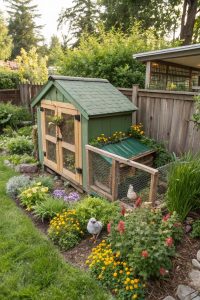
If you have the space and a desire to dive deeper into self-sufficiency, consider raising a few small animals such as chickens, rabbits, or even a couple of ducks. Small animals can provide fresh eggs, meat, and even natural fertilizer for your garden.
Chickens are one of the most popular animals for beginners, especially because they are relatively easy to care for. You can raise a small flock in a backyard coop, and they’ll provide you with fresh eggs (and the occasional chicken dinner if that’s part of your plan).
Start with just a few hens as they don’t need much space and can even be kept in a chicken tractor (a mobile chicken coop) to let them forage for bugs and weeds.
Rabbits are another great option for beginners. They don’t require much space and can be raised for both meat and fur. They’re also easy to manage and make excellent composters.
If your space allows, you might also consider ducks, which can help control insects in your garden and provide eggs.
Step 5: Reduce Waste and Recycle Everything

One of the key principles of homesteading, whether micro or traditional, is sustainability. Micro-homesteaders can reduce waste in many ways.
Start small by practicing composting your kitchen scraps, which can be turned into rich, healthy soil for your garden.
If you have animals, make use of their waste, too. Chicken manure and rabbit droppings are perfect for composting or can be directly used as fertilizer for your garden (just remember to compost first for safety).
You can also create your own natural cleaning products using vinegar, baking soda, and essential oils, reducing your dependence on store-bought chemical cleaners.
Step 6: Be Creative with Watering and Irrigation

Watering your plants can become a bit of a challenge when you’re working with a small space, but there are creative ways to make the most of your water supply.
If you have limited access to water, consider setting up a rainwater collection system. You can easily collect rainwater in barrels and use it to water your garden.
Rainwater is often better for plants than tap water, as it doesn’t contain chlorine or fluoride, which can sometimes harm your plants.
For indoor gardening or very small spaces, self-watering containers can be a huge help. They keep plants hydrated without constant attention, making them perfect for beginner gardeners or those with busy schedules.
Step 7: Embrace Permaculture Principles
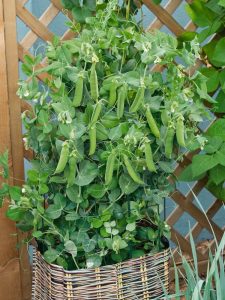
Permaculture is all about designing your homestead so that every part of it works together as a system, reducing waste and increasing sustainability.
Even on a small scale, you can start applying permaculture principles by integrating plants that complement each other.
For example, planting nitrogen-fixing legumes like peas or beans near heavy-feeding plants like tomatoes can improve soil health.
Step 8: Use Natural Pest Control

Dealing with pests is one of the challenges of micro-homesteading, but instead of reaching for toxic chemicals, consider natural pest control methods.
Companion planting, for example, can help keep bugs away from your plants. Marigolds can deter aphids, and basil can keep mosquitoes at bay when planted alongside tomatoes.
You can also introduce beneficial insects like ladybugs or predatory mites, which eat harmful pests. Make sure your garden has a balance of predators and prey, so you’re not disrupting the natural order.
Another option is diy organic sprays made from ingredients like garlic, neem oil, or soap. These solutions are safe for you, your plants, and the environment.
Step 9: Learn and Experiment Along the Way
Micro-homesteading is a learning process. There will be mistakes, but every mistake teaches you something new.
Start small, experiment with different plants, and try new things. Don’t worry if your first garden doesn’t look perfect or if your chickens don’t lay eggs right away.
If you’re feeling overwhelmed, try focusing on one area at a time. Begin with container gardening, then add a few herbs, and later, you can start experimenting with animals or alternative farming practices.
